How can we use blood as active building material?
Blood is a living material: a flowing tissue of cells that constantly sense their surroundings and rearrange themselves. I want to learn to build with it and use blood as an active material that can grow into new structures and hunt disease. To do this, I study how single cells compute and how they self-organize into multicellular structures.
At the level of single cells, I study cellular gradient sensing. During my PhD in Daniel Lew's lab at Duke University, I combined yeast genetics, quantitative live cell imaging, and mathematical modeling to uncover how cells respond to chemical gradients. My colleagues and I described the dynamics of a cell's polarized front, showed that this front can climb chemical gradients, and predicted the mechanisms underlying chemotactic bias (Ghose & Lew, 2020; Ghose et al., 2021).
At the multicellular level, I am developing a research program to understand and control the collective behavior of immune cells. By doing so, I hope to build programmable biological robots that fight intruders like infections or tumors. I started this work in Don Ingber's lab at Harvard University (Ghose et al., 2025) and am now continuing it in Wendell Lim's lab at University of California, San Francisco.
Outside the lab, I enjoy painting, playing guitar, and riding single-wheeled things.
Publications
Ghose D, Ferrante T & Ingber D. Cytokines control the physical state of immune tissue. bioRxiv. 2025. [Link]
Ghose D, Nolen J, Guan K, Elston TC & Lew DJ. Ratiometric signaling produces robust temporal integration for accurate cellular gradient sensing. bioRxiv. 2026. [Link]
Stejskalová A, Calderon K, Collins M, Feitor JF, Ghose D, Tang S, Gutzeit O, Badey N, Gulati A, Lopez MV, Chou DB, Petrozza JC, Plebani R, Junaid A, Budnik B & Ingber DE. Human fallopian tube-on-a-chip for preclinical testing of non-hormonal contraceptives with living human sperm. bioRxiv. 2026. [Link]
Ghose D, Elston T & Lew DJ. Orientation of Cell Polarity by Chemical Gradients. Annual Review of Biophysics. 2022. [Link]
Ghose D, Jacobs K, Ramirez S, Elston T & Lew DJ. Chemotactic movement of a polarity site enables yeast cells to find their mates. Proceedings of the National Academy of Sciences. 2021. [Download/Link]
Clark-Cotton MR, Henderson N, Pablo M, Ghose D, Elston T & Lew DJ. Exploratory polarization facilitates mating partner selection in Saccharomyces cerevisiae. Molecular Biology of the Cell. 2021. [Link]
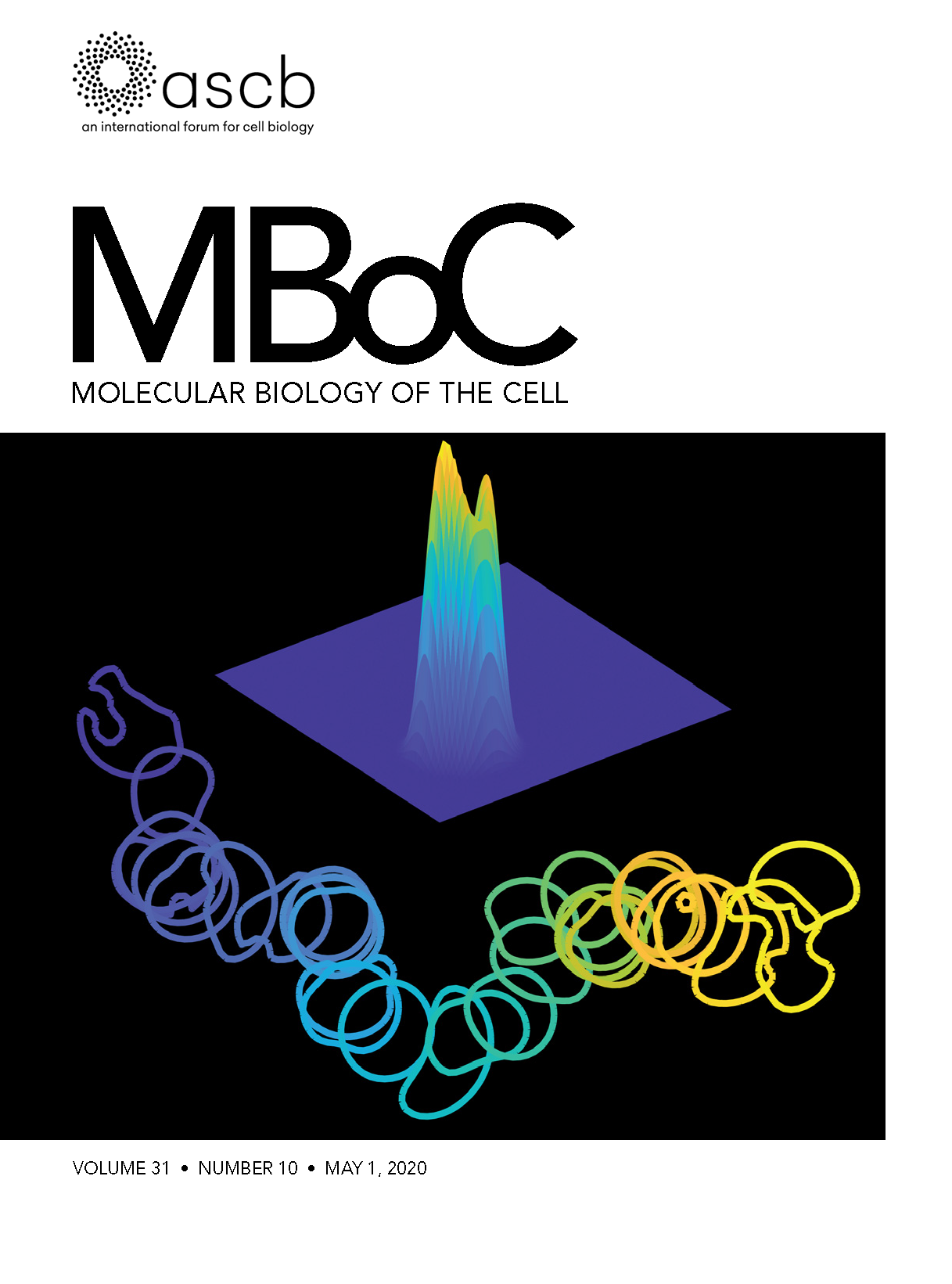 Ghose D & Lew DJ. Mechanistic insights into actin-driven polarity site movement in yeast. Molecular Biology of the Cell. 2020. (Chosen to be a Highlight and nominated for Best Paper of the Year) [Download/Cover/Link]
Henderson NT, Pablo M, Ghose D, Clark-Cotton MR, Zyla TR, Nolen J, Elston TC & Lew DJ. Ratiometric GPCR signaling enables directional sensing in yeast. PLoS biology. 2019. [Download/Link]